
Mental Health First: How Media Is Amplifying Gen Z's Offline Communities in 2025
The media landscape is undergoing a profound transformation: In 2025, U.S. news organizations are fundamentally rethinking their approach to coverage, prioritizing mental health and spotlighting the offline communities that Gen Z is building to combat digital fatigue. This shift represents more than a passing trend—it's a complete reorientation of journalistic values toward care-driven reporting that serves audience wellbeing rather than exploiting attention economies.

Gen Z community gathering in outdoor setting, showcasing the shift toward offline connections and mental health awareness. Image: Unsplash.
The Rise of Doomscroll Fatigue and the Search for Authentic Connection
Gen Z's relationship with digital media has reached a tipping point. After years of consuming algorithmically optimized content designed to maximize engagement at the expense of wellbeing, this demographic is experiencing what researchers term "doomscroll fatigue"—a state of mental exhaustion resulting from constant exposure to negative news cycles, performative social media, and the pressure to remain perpetually connected.
This fatigue has catalyzed a search for more authentic, meaningful connections beyond the digital realm. Across American cities and campuses, Gen Z is building offline communities centered around shared interests, values, and support systems. These include book clubs that meet in parks, running groups that prioritize mental health alongside physical fitness, maker circles that facilitate skill-sharing, and support networks that address specific mental health challenges.
Media's Pivot: From Rage Clicks to Care-Driven Journalism
Redefining News Values
Progressive newsrooms are fundamentally rethinking what constitutes valuable coverage. The traditional model that prioritized conflict, controversy, and what journalists call "rage clicks" is being replaced by a care-driven approach that emphasizes:
- Solutions Journalism: Coverage that focuses on responses to social problems rather than just the problems themselves.
- Context-Rich Explainer Formats: Content that helps audiences understand complex issues without sensationalism.
- Resource Integration: Articles that include practical resources, support information, and action steps.
- Community Calendars: Dedicated sections highlighting local events, meetups, and opportunities for engagement.
The Participation Principle
This new journalistic philosophy prioritizes usefulness over outrage, measuring success not just by page views but by tangible community impact. The goal is to create content that doesn't just inform but empowers audiences to participate in their communities, with a focus on mental health preservation rather than exploitation of emotional responses.
Ethical Frameworks for Trauma-Informed Reporting
News organizations are implementing comprehensive guidelines for trauma-informed reporting that include content warnings, strategic placement of mental health resources, and careful consideration of visual elements that might trigger anxiety or distress. These frameworks recognize that how a story is told is as important as the story itself when it comes to audience wellbeing.
The Creator-Led Revolution in Community Journalism
Local creators and influencers are playing an increasingly important role in reshaping media ecosystems:
- Co-Creation Models: Traditional news outlets are partnering with local creators to co-host events, Q&A sessions, and community forums that blend professional journalism with grassroots perspectives.
- Community Fact-Checking: Implementing "community notes" features that allow readers to contribute context and corrections, reducing polarization while keeping coverage grounded in lived experience.
- Hyperlocal Focus: Creators are leveraging their deep community connections to surface stories and perspectives that might otherwise be overlooked by traditional media.
- Authentic Storytelling: First-person narratives and community-sourced content that prioritizes authenticity over polish.

Local creators facilitating community discussion, representing the new era of participatory journalism. Image: Unsplash.
Wellness Guardrails: Implementing Mental Health Protections in Newsrooms
Forward-thinking media organizations are implementing structural changes to protect both audience and creator mental health:
Content Warning Systems: Standardized protocols for flagging potentially triggering content and providing resources at the beginning of articles rather than buried at the end.
Strategic Pause Points: Intentional breaks in content consumption—both digital and physical—that encourage reflection and prevent binge-consuming negative news.
Event-Based Reporting: Coverage designed specifically to drive real-world engagement and community participation rather than passive consumption.
Staff Wellness Initiatives: Recognizing that journalists themselves face mental health challenges, newsrooms are implementing protective measures for staff covering traumatic events and difficult beats.
Measuring Impact Beyond Metrics
The success of this new approach to media is measured differently than traditional models:
Community Engagement Metrics: Publishers are tracking event attendance, resource utilization, and community participation rates alongside traditional readership metrics.
Loyalty and Trust Indicators: Outlets focused on mental health-aware reporting are seeing stronger reader loyalty and higher levels of trust, even when audience numbers are smaller than more sensationalistic competitors.
Real-World Impact Assessment: Success is increasingly measured by tangible community outcomes—policy changes, resource allocations, and participation rates in local initiatives—rather than just consumption metrics.
Partnership Value: Media organizations are finding value in partnerships with mental health organizations, community groups, and local initiatives that extend their impact beyond traditional journalism.
The Business Case for Mental Health-First Media
This shift isn't just ethically sound—it's proving to be commercially viable:
- Premium Subscription Models: Audiences show willingness to pay for content that genuinely serves their wellbeing rather than exploiting their attention.
- Sponsorship Alignment: Brands increasingly want to associate with content that has positive social impact rather than controversy.
- Community Foundation Support: Journalism focused on community wellbeing is attracting support from foundations and philanthropic organizations.
- Event Revenue Streams: Media-sponsored events and meetups are creating new revenue sources beyond traditional advertising.
- Long-Term Audience Development: Building trust through responsible reporting creates more sustainable audience relationships than clickbait strategies.
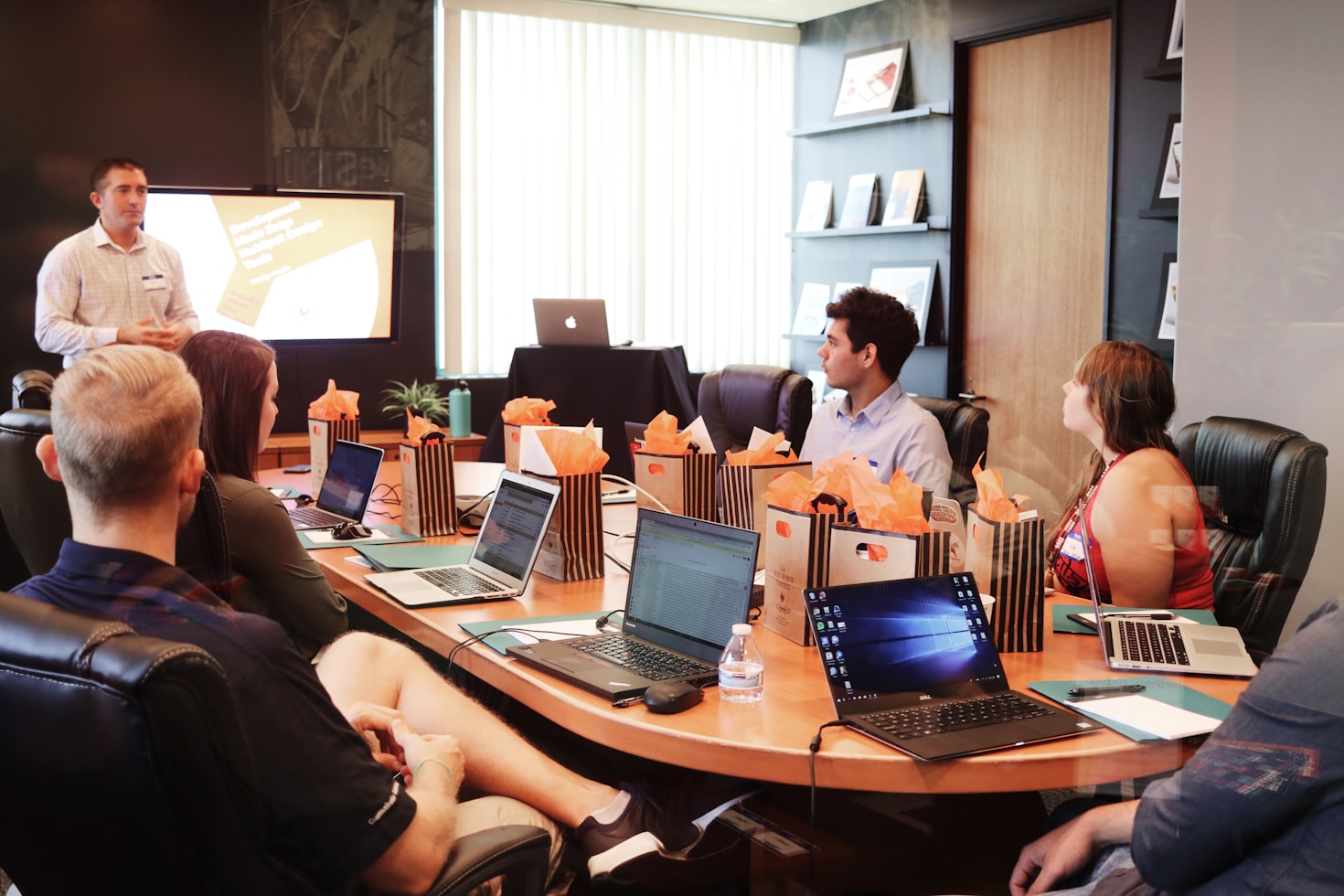
Gen Z participants engaging in mental health focused discussion, representing the shift toward community care. Image: Unsplash.
Conclusion: Media as a Bridge to Community, Not Just a Mirror to Society
The transformation of media toward mental health awareness and community connection represents more than a trend—it's a fundamental rethinking of journalism's role in society. The most successful media outlets of 2025 understand that their value lies not just in informing audiences but in connecting them—to resources, to opportunities, and most importantly, to each other.
This shift acknowledges that information alone is insufficient without context, compassion, and pathways to action. By prioritizing mental health and spotlighting offline communities, media organizations are rediscovering their potential as catalysts for positive social change rather than just chroniclers of conflict and crisis.
The future of media belongs to those organizations that can serve as bridges—helping audiences navigate from information to understanding, from isolation to community, and from awareness to action. In this new paradigm, the most valuable content isn't that which generates the most clicks, but that which helps people live better, more connected lives beyond the screen.
Join the Movement Toward Meaningful Connection
Find a local meetup or community event in your area and experience the power of offline connection for yourself.
Discover Local Community Events





0 Comments